Total Instruction to Bed Bug Solution: Establish Durable Results With Knowledgeable Guidance
The "Ultimate Guide to Bed Bug Treatment" supplies an essential guide for homeowners facing off against the challenge of infestations. It outlines initial identification procedures, reliable do-it-yourself approaches, and required safety measures. Determining when to turn to trained experts is similarly crucial. As the guide progresses, it presents not only intervention techniques but also sustained protective measures. The nuances of bug conduct and typical false beliefs will be explored, paving the way toward a more strategically informed method.
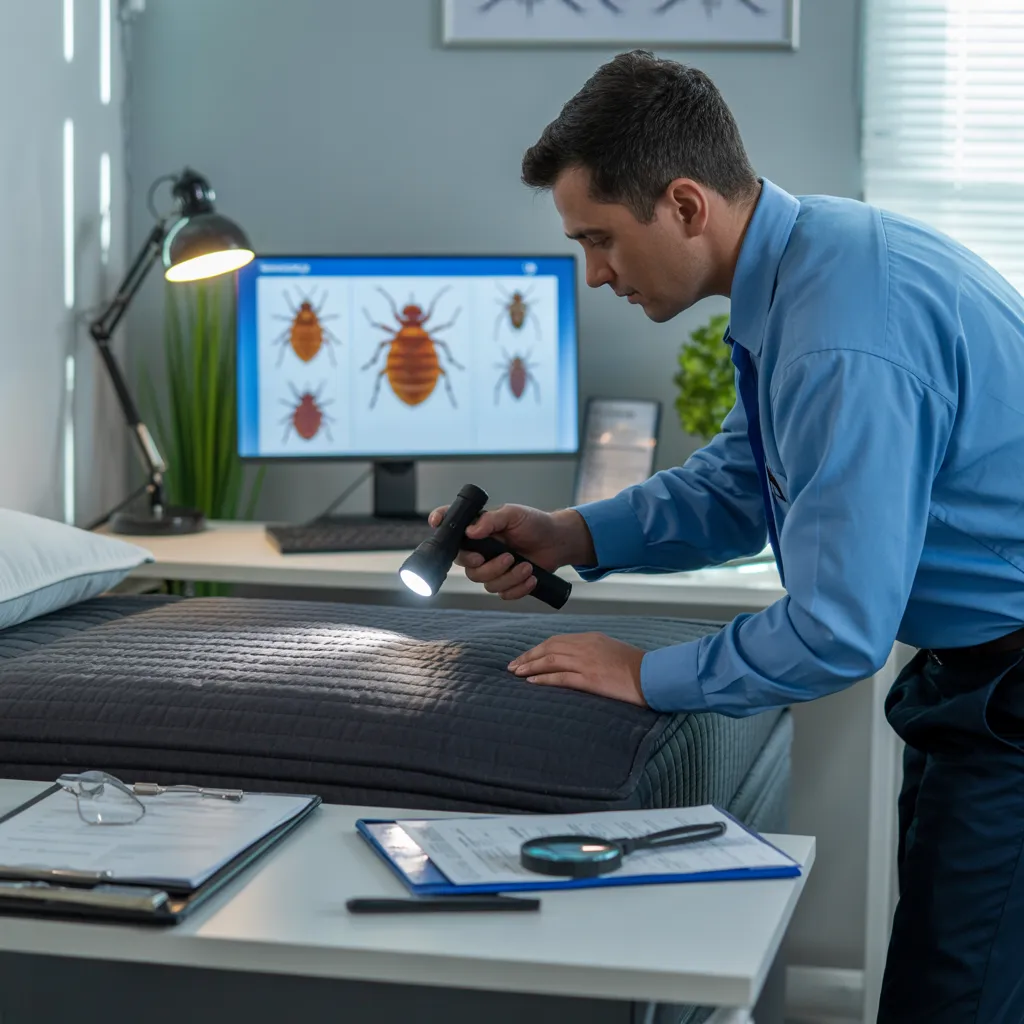
Steps for Recognizing Bed Bug Outbreaks In Advance
How might someone spot bed bugs before they develop into a significant concern? Quick detection is crucial in halting a minor matter from mounting into a complete infestation. Signs present small rust-colored insects about the size of an apple seed, often hiding in crevices of mattresses, bed frames, and furniture. Additionally, shadowy stains on cloth or walls may suggest bed bug excrement. Frequently checking sleep spaces is essential; checking seams, folds, and any nearby clutter can disclose hidden pests.
Another clue is the occurrence of shed exoskeletons, which bed bugs discard as they grow. Unexplained bites on the skin, often grouped in a line or cluster, may also indicate their existence. By being vigilant and proactive, individuals can identify potential infestations soon, minimizing the need for extensive treatments and ensuring a more pleasant living environment.
Powerful DIY Bed Bug extermination methods
When confronting bed bug infestations, several effective DIY treatment solutions can be applied. Holistic treatments, such as essential oils, present a organic method, while thermal techniques provide a heat-intensive technique to neutralize pests. These methods can allow individuals to control bed bug concerns without professional intervention.
Natural Options for Bed Bugs
Natural solutions for bed bugs offer a variety of powerful DIY treatment methods that can help fight these stubborn pests. One common approach is the use of diatomaceous earth, a natural substance that can damage the exoskeletons of bed bugs upon contact, leading to dehydration. Another method involves using essential oils, such as tea tree oil or lavender, which possess insect-repelling properties. Mixing these oils with water and spraying them in affected areas can repel bed bugs. Additionally, washing bedding and infested fabrics in hot water, followed by complete drying, can eliminate eggs and adult bugs. Regular vacuuming of sleeping areas and furniture also lowers bed bug populations effectively, making natural remedies a viable option for treatment.
Steam Application Approaches
While botanical solutions furnish suitable alternatives for managing bed bugs, steam treatment strategies provide another robust DIY method. These approaches deploy high-temperature steam to infiltrate surfaces where bed bugs conceal themselves, effectively killing them on contact. A steam cleaner with a nozzle attachment is optimal for targeting infested areas, including mattresses, carpets, and furniture. The steam should reach at least 130°F (54°C) to guarantee effectiveness. It is imperative to advance the nozzle deliberately and systematically, allowing the heat to thoroughly eradicate the pests. Additionally, steam treatment is residue-free, making it a secure option for households with children and pets. Routine application can help establish a bed bug-free environment, complementing other treatment methods for best results.
Safety Tips for Treating Bed Bugs at Home
Thorough bed bug treatment involves careful care to protection to protect both inhabitants and their goods. When deploying chemical products, people must complete guide routinely read and follow label instructions precisely to avoid harmful exposure. It is essential to ventilate the treated areas comprehensively, verifying that pets and children are kept away throughout and post-application. Wearing safety gear, including gloves and masks, can decrease contact with potentially harmful substances.
Furthermore, utilizing heat treatments requires caution; guaranteeing that items vulnerable to high temperatures are taken from the area is essential. For steam treatments, operators should maintain a safe distance from surfaces to prevent burns.
Finally, suitable elimination of affected belongings, such as bedding or clothing, should be completed in tight bags to prevent spreading the infestation. By implementing these safety measures, residents can competently address bed bug treatment while safeguarding their health and environment.
Symptoms That Suggest You Need Expert Help for Bed Bugs
Residents may be troubled by ongoing bed bug problems despite adhering to safety tips and initial treatment methods. Knowing when to seek professional help is vital for successful control. One significant sign is the lingering presence of bites on exposed skin, notably after treatment attempts. If individuals find live bugs or shed exoskeletons in their bedding or furniture, it indicates a more severe infestation.
Moreover, if do-it-yourself approaches produce limited success after a few weeks, expert assistance may be required. A strong, musty odor in the home can also signal a larger problem, as it implies a significant population of bed bugs. Finally, if infestations spread to several areas or adjacent apartments, immediate professional assistance is vital to prevent further escalation. Overall, prompt measures can save residents from extended suffering and major harm to their home.
Stopping Future Bed Bug Invasions
To effectively prevent upcoming bed bug problems, staying alert and implementing proactive measures is crucial. Regular inspections of sleeping areas, furnishings, and luggage can help detect initial indicators of bed bugs before they turn into a major issue. Utilizing protective encasements on mattresses and box springs can establish a shield that deters these pests.
Additionally, reducing clutter in living areas decreases potential hiding spots. During travel, it is prudent to check hotel rooms and place luggage elevated. Washing and drying bedding and clothing on high heat can also remove any potential hitchhikers.
Ultimately, educating household members about bedbug prevention awareness can be important; knowing how these pests spread empowers everyone to adopt suitable preventive steps. By maintaining a forward-thinking mindset and establishing an environment of vigilance, the likelihood of future pest occurrences can be substantially reduced.
Dispelling Popular Bed Bug Misconceptions: What You Should to Know
Misunderstandings regarding bed bugs can impair effective prevention and treatment measures. One widespread myth is that bed bugs only infest messy homes; actually, they can live in any condition regardless of cleanliness. Another misconception is that bed bugs transmit diseases, which is false; while they may cause discomfort and anxiety, they are not known to spread pathogens. Moreover, many think that extreme temperatures alone can remove these parasites. Although heat application can be helpful, it demands precise execution to assure eradication of all life phases. Some also assume that do-it-yourself treatments, like essential oils, suffice for treatment. However, expert extermination are often needed for complete elimination. Lastly, it is a misconception that these insects only reside in beds; they can hide in diverse locations, including furniture, clothing, and luggage. Understanding these misbeliefs is essential for effective control of bed bug problems.
What to Expect During Bed Bug Treatment
What might one anticipate during a bed bug service? To begin, a comprehensive copyrightination of the infested area is conducted by a pest control expert. This evaluation helps determine the severity of the infestation and the most effective treatment methods. Property owners may be instructed to ready their home by organizing, laundering bedding, and cleaning floors.
During the treatment, various methods such as thermal processing, chemical sprays, or a mix may be employed. It's essential for residents to vacate the premises for safety and effectiveness.
After service, a follow-up inspection is typically scheduled to confirm all bed bugs have been eradicated. Homeowners should stay alert, as some eggs may emerge post-treatment. Consistent observation and prevention strategies are essential for sustained effectiveness. Overall, perseverance and collaboration with the pest control team are vital for attaining lasting results in the battle against bed bugs.
Questions Users Frequently Ask
Do Bed Bugs endure Extreme Temperatures?
Bed bugs cannot easily tolerate extreme temperatures. Extended contact to temperatures above 120°F (49°C) for at least 90 minutes can eradicate them, while freezing temperatures below 0°F (-18°C) can also eliminate them, given sufficient exposure time.
Do Bed Bugs Pass Diseases to Humans?
Bed bugs will not transmit diseases to humans. However, their bites may generate discomfort, allergic reactions, and secondary infections due to scratching. Detection and speedy treatment are essential for resolving infestations and associated symptoms.
How Extended Can Bed Bugs Live Without Nourishment?
Bed bugs are capable of lasting without feeding for quite a few months, typically ranging from two to six months under best conditions. Their resilience enables them to tolerate long periods without a feeding source, creating challenges for extermination efforts.
Do bed bugs have a preference for certain hues?
Bed bugs are mainly drawn to heat and CO2 rather than specific colors. However, some research indicate they may favor darker shades, possibly because these shades can replicate the hiding spots they typically prefer.
Can Your pets convey Bed Bugs Into the Home?
Pets can inadvertently transport bed bugs into the home, as these pests may attach to their fur or belongings. Frequent brushing and copyrightination can help reduce the risk of introducing bed bugs through pets.